
This Day’s Good Vibes ✨
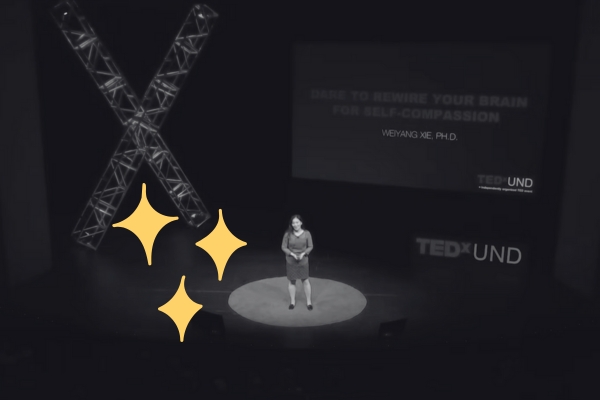
Choosing Self-Compassion
In this TEDx talk, psychologist Weiyang Xie shares her journey as an international student navigating anxiety, insecurity, and shame while pursuing her dreams. Instead of pushing these feelings away, she explains how vulnerability and self-compassion became her most powerful tools for healing and growth. The talk reframes shame not as a weakness, but as a signal that something within us needs care and understanding. Through personal insight and practical wisdom, Weiyang shows how self-compassion can help us take risks, build confidence, and live more authentically.
Watch here
When Healing Becomes a Buzzword
This article reflects on how “healing” has become a popular and comforting term among Gen Z, especially as conversations about mental health grew during and after the pandemic. While seeking rest, balance, and emotional care is valid, the piece points out how the word is sometimes overused or romanticized on social media, losing its deeper meaning. Through real-life experiences, it highlights how genuine healing takes time and should not be used to avoid responsibility or growth. The story gently reminds readers that not every challenge requires healing, and that resilience, self-awareness, and recommitment to life are also part of becoming whole.
Read here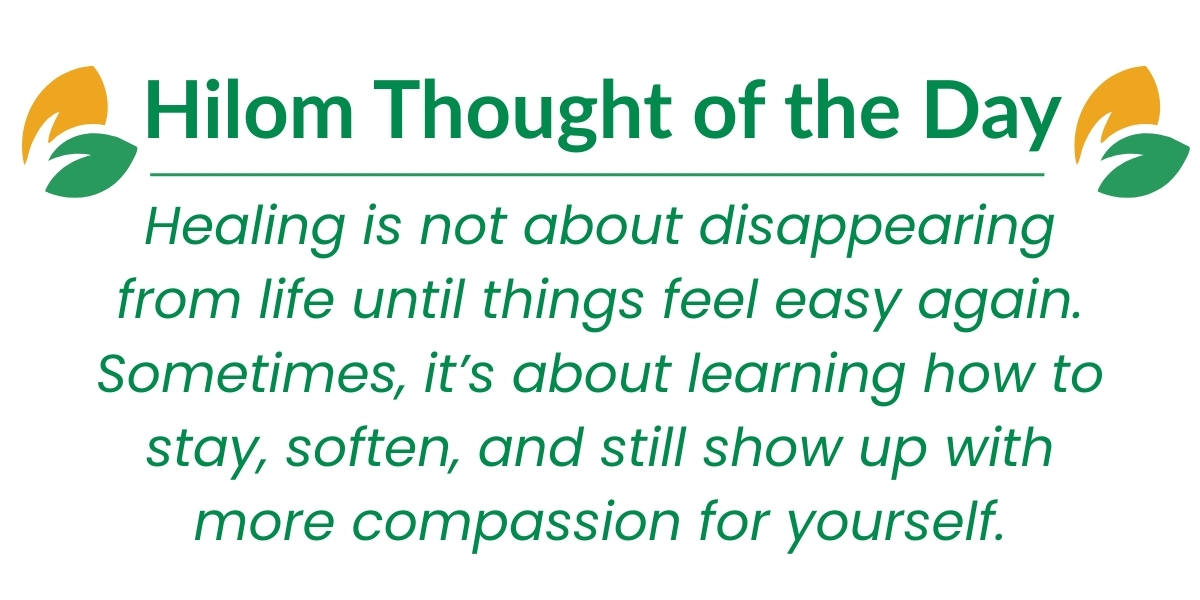
Healing doesn’t have to look perfect or aesthetic. It just needs to be honest. And you’re allowed to take it one mindful step at a time. 🌱
Forward mo ‘to sa tropa or send them this link!